The Robin provides a welcome flash of colour and movement in our gardens.
Both of my girls and their grandparents for that matter, enjoy picking out a robin amongst the trees and shrubs of a garden. Robins were one of the first birds they knew the name of. Calling out excitedly by the instant recognition of its red breast and cheery song. The robin continues to be a long-standing hallmark of British gardens and countryside. Though its appearance is against an increasingly silent backdrop.
This week I was enthused to hear the screeching of Swifts on a few sultry summer days but there have been far more occasions where I have stood in a dense wood or along a hedgerow and heard nothing. It feels as though the Anthropocene has tumbled on by and we have steamed right past the silent spring. This feeling is darkened more, knowing how much excitement and love there is for the world immediately around us by the smallest of us.
Maybe I’m a little bit biased because of the football team I follow but love for the robin may well be one of the few things in modern Britain that draws a unifying consensus. The other national treasure that always and seemingly will forever receive adulation is the National Health Service.
A number of reports today though have cited that the performance of the NHS is no longer the ‘world beating service’, to borrow a phrase, that it was once seen to be. There are a number of immediate factors such as the pandemic which can clearly be seen to have had an effect such as staff burnout and high turnover. However, the greatest impact on the service is how the demands on the social care sector directly effects the pressures on the health service. The health and social care select committee have recently lambasted the lack of clear strategy and response to the current strain on the health service. It should be noted that the current mitigation plan has a costed £500 million support package to improve the delivery of social care nationally.
Local authorities in England are responsible for the oversight of care services and personal funding for the least well off that require support to pay for care. The frameworks that support the oversight of adult social care are not typically in the public mind as this doesn’t effect our day to day living.
However, access and eligibility for funding is something that effects a huge percentage of the population, regardless of which demographic an individual may belong to.
Despite this, there is a comparative lack of conversation about how people engage with social care systems in this country. Significant amounts of people do not realise that care is neither free at the point of use nor a subcomponent of the NHS. One of the outcomes of this is that despite differences in affluence, most people fail to plan appropriately for the care they will need to receive later in life.
Our unwillingness to discuss these matters has another more traumatic outcome. Generational Isolation. Elderly people may have moved from areas where they had greater connections to the local community or may have seen their families and loved ones move away. Isolation and loneliness is a crisis of its own making.
The British Red Cross completed a report in October 2020 that reviewed the long-term effects of social isolation. The report found thirty nine percent of participants lacked strong support networks. Lacking meaningful contact means we do not see when others may have trouble and isolation has pronounced impacts on individual’s psychology regardless of age.
This all means when a crisis situation does hit, there is little to no support readily available. Crises in care typically met by immediate family members stepping in as there are few formal processes that support this burgeoning issue. This introduces acopia as a significant stress on the health service. Health trusts receive fines when ambulance handovers are unable to take place and in recent weeks there have been reports of significant delays for ambulance services admitting patients into A&E. Acopic patients being brought into hospital and those same hospital having inadequate beds to place patients is incurring greater stress on the current system.
Accessing care services is difficult for people that already require the assistance of others to manage daily living. This has now been further compounded by the crisis in workforce shortages that are causing care providers to cancel care calls at alarming rates and declining customers that have funds to pay for their care.
There is no flash of a red breasted forager at the window that lets us know when a relative has had a fall or if a neighbour is having difficulty making a toast and jam supper. The Robin, an almost tame bird, through its gregarious nature can teach us how we might better resolve the issues of these crises. The Robin is affectionately known as the gardener’s companion. Keeping beady black eyes open in turned soil for worms or other invertebrates. Robins are happy to keep an eye on what is available and do not mind the company of humans if it means getting a good dinner.
We need to become better at sharing our space and the affection that we show for the robin and other garden birds is a great place to start. Communal bird feeders and tables would be a great place for us to communicate with each other more meaningfully. We can all be responsible for refilling, cleaning and using these tools to support our declining garden bird populations.
The nature of the robins’ success comes from its tenacity. Both young and old enjoy watching a Robin on a winters day and we should be inspired by this. I believe we should all be looking at purchasing private care insurance for the future, the remnants of the bird table are bare for all to see. Failing to plan for the winter years of our lives now, will lead to struggles for us individually but may see the tipping point in the ecosystem of the future health system as well. There are financial advisors that can support with care annuities and brokers that can find the right package for the future. Age UK are a fantastic organisation to begin searching but do also contact your local authority.
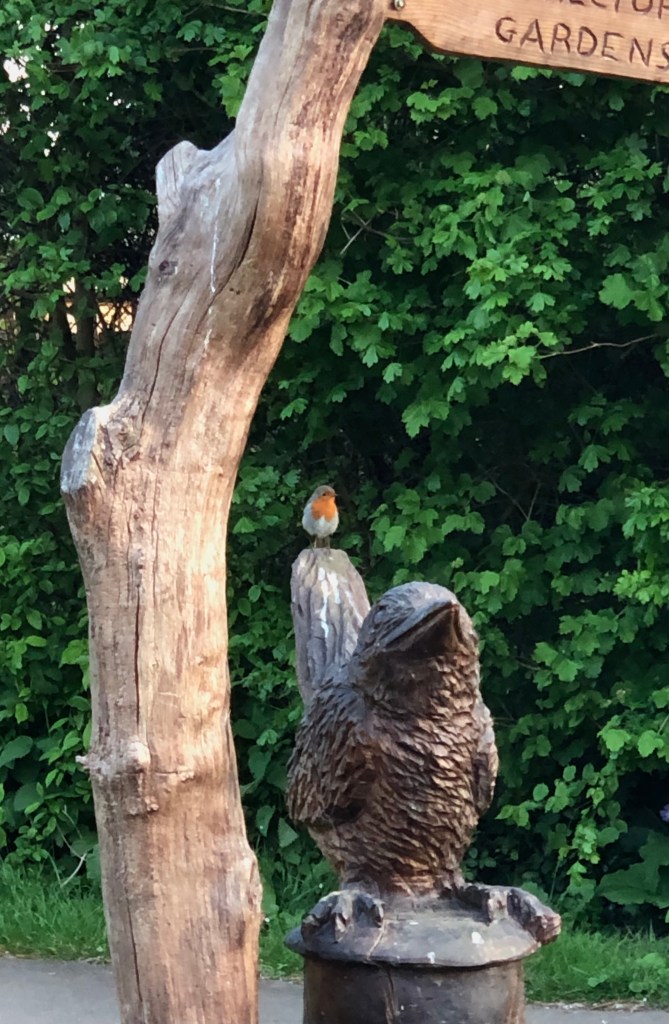
“As the nation’s favourite bird, the robin has a tough job of representing a myriad of different birds, from waders and predators, to scavengers and songbirds.“
“The Robin is a Great gateway for children and adults to take an interest in the birds soaring Overhead.“
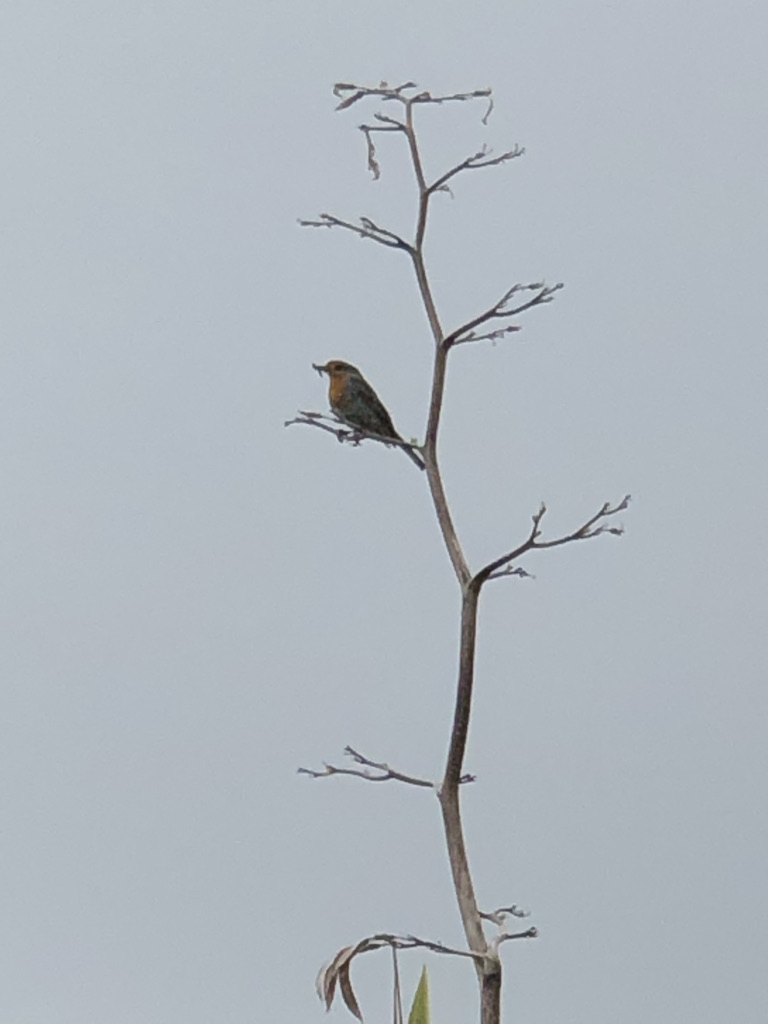
“The nature of the robins’ success comes from its tenacity.”

“Tipping point in the ecosystem”

 thenaturalrepublic.co.uk
Leave a comment